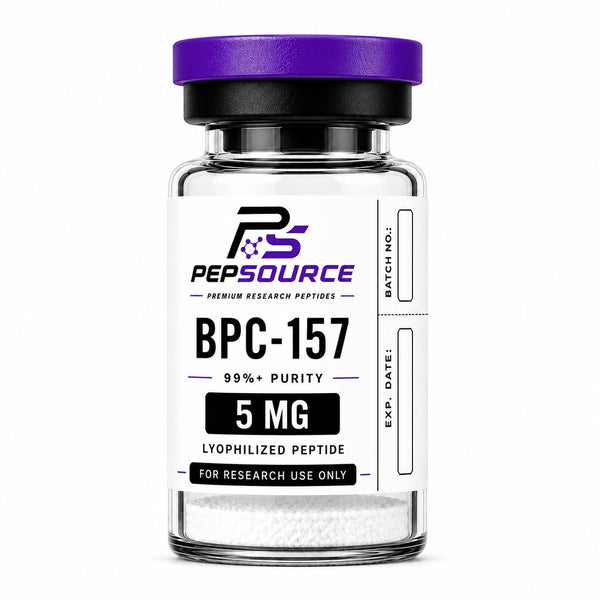
A peptide is only as good as its handling once it reaches your bench. Testing certifies the material as produced; storage and technique determine what survives to the point of use. Here are the principles that matter most.
Lyophilised (powder) storage
In its freeze-dried form, a peptide is at its most stable. Keep vials sealed, cold and dry, protected from light. For longer holds, colder is better. The enemies are moisture and heat — both accelerate degradation, and moisture can be introduced simply by opening a cold vial in humid air before it has warmed up.
Let cold vials reach room temperature before opening
This single habit prevents a common, avoidable problem. A vial taken straight from cold storage is colder than the surrounding air; open it and atmospheric moisture condenses on the cold powder. Allowing the sealed vial to equilibrate to room temperature first keeps the contents dry.
Reconstituted storage
Once dissolved — typically in bacteriostatic water or a dilute acid — a peptide is in solution and less stable than the dry powder. Keep reconstituted solutions cold and use them within a reasonable window. The bacteriostatic agent in bacteriostatic water suppresses microbial growth, which is one reason it is preferred for solutions that will be stored.
Avoid repeated freeze-thaw cycles
Each freeze-thaw cycle stresses a peptide in solution. Where a protocol calls for freezing, aliquoting into single-use portions means you thaw only what you need and leave the rest undisturbed. Repeatedly freezing and thawing the whole stock is a reliable way to degrade it.
Handling technique
- Introduce solvent gently down the vial wall rather than jetting it directly onto the powder.
- Swirl to dissolve; avoid vigorous shaking, which can denature some peptides and introduce foam.
- Label aliquots with compound, batch code and date so they stay traceable to the original certificate of analysis.
Good handling protects the exact material described on the batch report. If you haven’t yet, read how to read a COA so your records tie back to verified data, and browse tested compounds in the powder peptide catalogue — for example BPC-157, Semax or Tesamorelin, each supplied with a published batch report. Storage consumables including bacteriostatic water sit in the lab supplies range. All products are supplied strictly for laboratory research use only.